Assessing Agility and Movement Development with Enhancements
Understanding Agility in Movement Development
Agility is a crucial component of physical fitness, particularly in sports and activities that require quick changes in direction and speed. It refers to the ability to quickly move the body in response to surroundings, making it essential for athletes and active individuals alike. Effective agility training encompasses various aspects, including balance, coordination, and reaction time.
Buy anabolic steroids from a reliable provider in the shop https://strengthmarketplus.com/ – we guarantee quality, discretion, and fast delivery.
Key Elements of Agility Training
A comprehensive approach to agility and movement development can be broken down into the following key elements:
- Speed: The ability to move quickly is fundamental to agility. Incorporating sprint drills can significantly enhance speed.
- Coordination: Coordination exercises, such as ladder drills or cone drills, help improve the ability to control body movements efficiently.
- Balance: Balance agility tests, including single-leg stands or stability ball exercises, contribute to overall movement stability.
- Reaction Time: Drills that include unexpected changes or stimuli can improve the body’s responsiveness and enhance agility.
Techniques for Assessing Agility
To accurately assess agility, practitioners can utilize several methods:
- T-Test: This drill assesses the ability to sprint in different directions. It involves a series of short sprints and lateral movements.
- Illinois Agility Test: This test measures overall agility in a more structured format, requiring participants to navigate a defined course.
- SAP Test (Shuttle Agility Run): This test evaluates how quickly an athlete can change direction back and forth over a set distance.
Enhancing Agility through Training
Implementing a variety of training techniques can effectively develop agility. Some recommended methods include:
- Plyometric Exercises: Jumping drills can increase explosive strength, enhancing quick responsiveness.
- Strength Training: Building core and lower body strength stabilizes movement and supports agility.
- Circuit Training: Combining agility drills with endurance and strength training improves overall physical capability.
Conclusion
Assessing and enhancing agility is essential for athletes and physically active individuals looking to improve their performance. By incorporating a comprehensive approach that includes various drills and training techniques, one can significantly develop agility and movement efficiency. Continuous assessment and tailored training plans will ensure ongoing progress and optimal athletic performance.
















































 В рамках проекта «Мамино время» в отделении реабилитации № 2 прошла консультация «Мелкая моторика как средство развития языка»
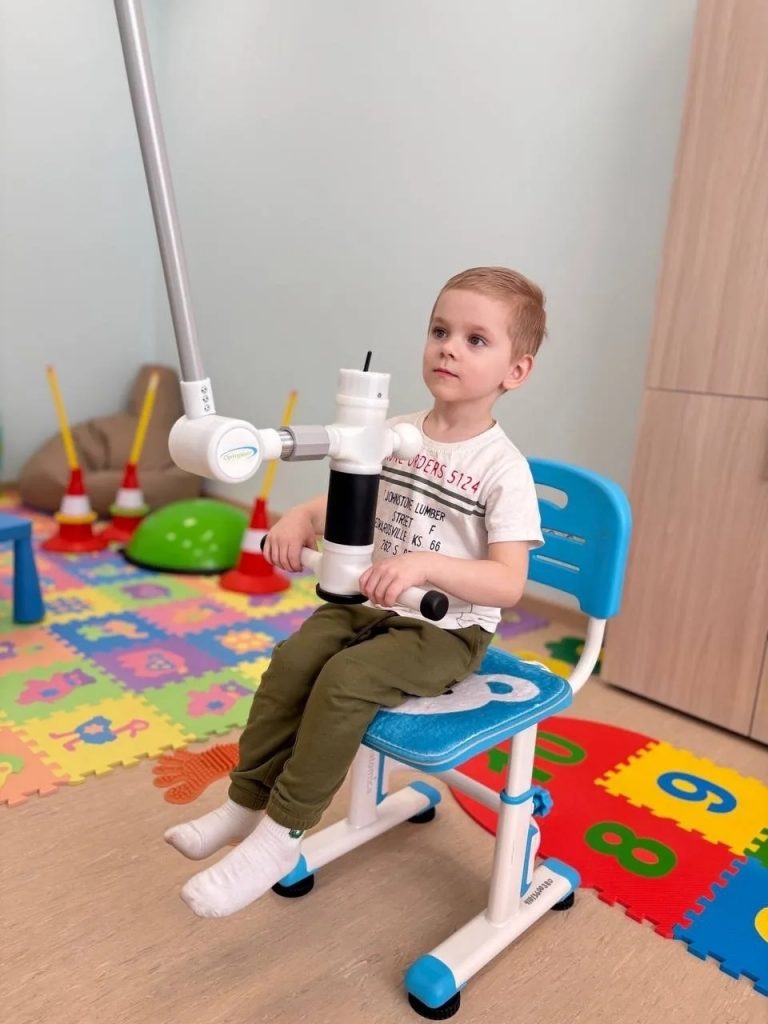 В отделении «Родничок» активно используется тренажер Орторент «Моторика»
 В рамках программы «Активное долголетие» научились рисовать весенние сюжеты на тему «Голубь Мира»
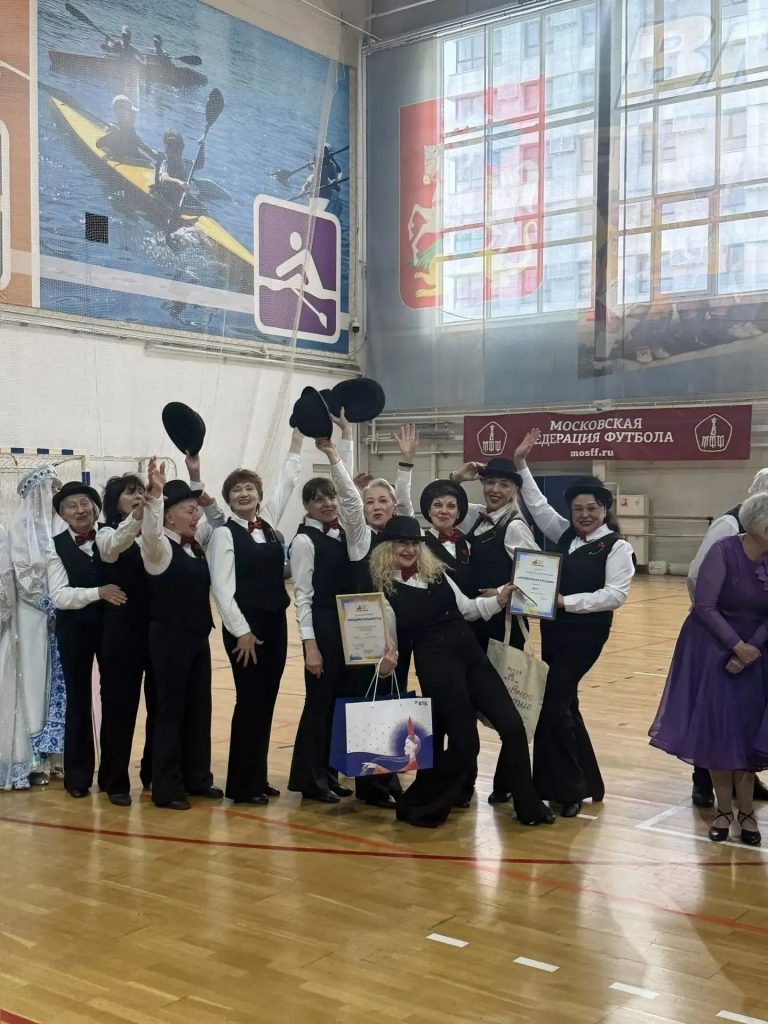 Участницы проекта «Активное долголетие» приняли участие в областном танцевальном фестивале «Серебряная грация»